


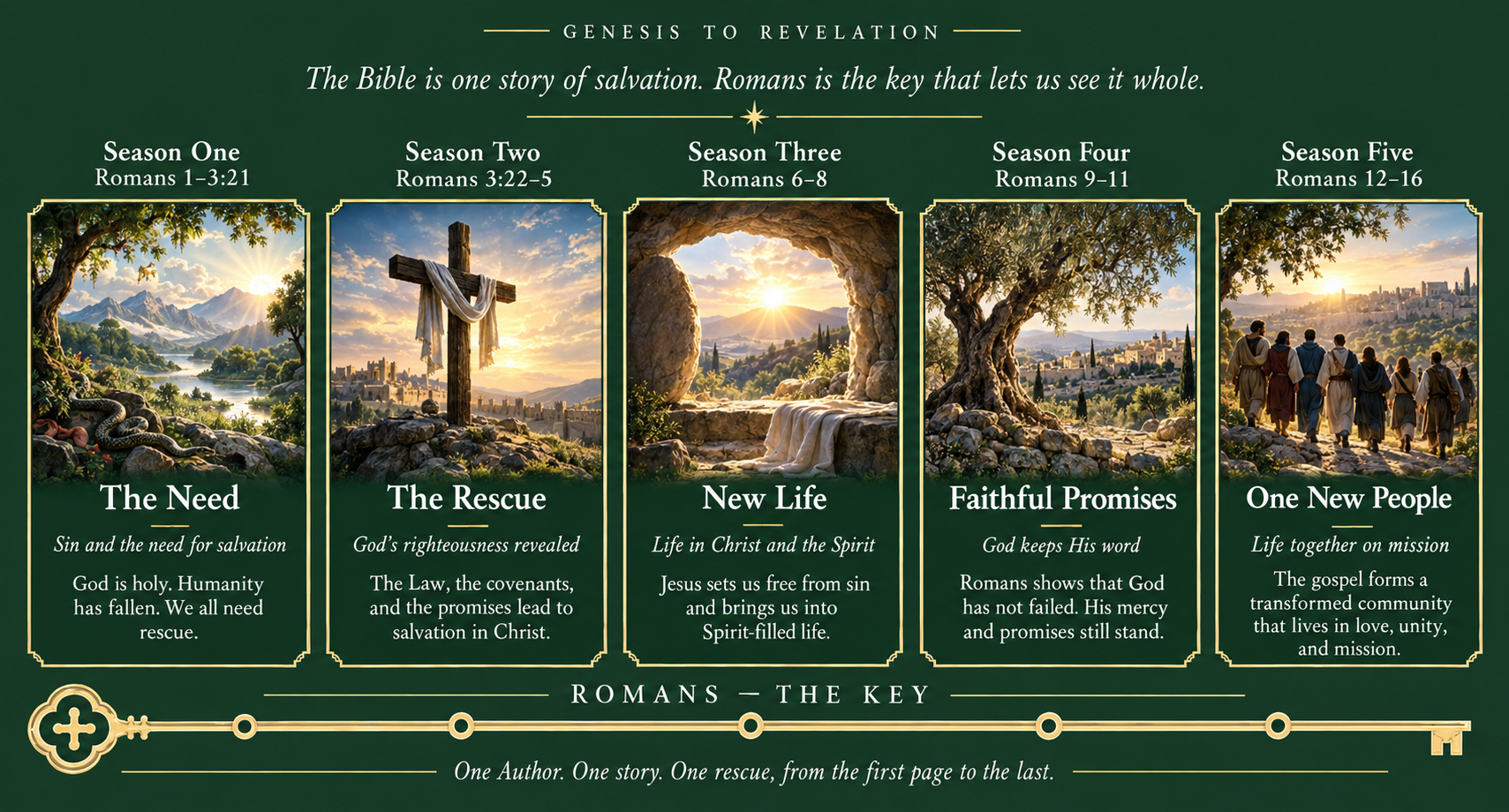
Welcome to the Second week of our new series entitled "The Mission." This is a journey through the book of Romans.
View entire series:
 Brandon Cannon
For more on the book of Romans, visit:
- Bible Study: Romans.
- My personal working commentary on Romans: Click Here.
More on Controversial Issues Within The Text:
 Brandon Cannon
 Brandon Cannon
Today's Text:
(Romans 2:1-16) You may think you can condemn such people, but you are just as bad, and you have no excuse! When you say they are wicked and should be punished, you are condemning yourself, for you who judge others do these very same things. 2 And we know that God, in his justice, will punish anyone who does such things.3 Since you judge others for doing these things, why do you think you can avoid God’s judgment when you do the same things? 4 Don’t you see how wonderfully kind, tolerant, and patient God is with you? Does this mean nothing to you? Can’t you see that his kindness is intended to turn you from your sin?
5 But because you are stubborn and refuse to turn from your sin, you are storing up terrible punishment for yourself. For a day of anger is coming, when God’s righteous judgment will be revealed. 6 He will judge everyone according to what they have done. 7 He will give eternal life to those who keep on doing good, seeking after the glory and honor and immortality that God offers. 8 But he will pour out his anger and wrath on those who live for themselves, who refuse to obey the truth and instead live lives of wickedness. 9 There will be trouble and calamity for everyone who keeps on doing what is evil—for the Jew first and also for the Gentile. 10 But there will be glory and honor and peace from God for all who do good—for the Jew first and also for the Gentile. 11 For God does not show favoritism.
12 When the Gentiles sin, they will be destroyed, even though they never had God’s written law. And the Jews, who do have God’s law, will be judged by that law when they fail to obey it. 13 For merely listening to the law doesn’t make us right with God. It is obeying the law that makes us right in his sight. 14 Even Gentiles, who do not have God’s written law, show that they know his law when they instinctively obey it, even without having heard it. 15 They demonstrate that God’s law is written in their hearts, for their own conscience and thoughts either accuse them or tell them they are doing right. 16 And this is the message I proclaim—that the day is coming when God, through Christ Jesus, will judge everyone’s secret life.
Commentary.
Verses 1-4. God offers Patient Kindness.
In the second half of chapter one, Paul is making a general reference to all people and how we have all turned away from God. In this passage, he begins to zoom in on each person's need for the Gospel.
Some commentators see Paul as talking to the Jewish community for the entire chapter. From what I have read, I see him being more general in the first half of this chapter. He is talking to all people, but mainly the Jewish and Gentile people in the church.
Verse 1.
- Paul is echoing Matthew 7, when Jesus warns of the same thing. If you notice the context, he is not saying there should be no judgment. There is no sin in saying whether something is healthy or sick. The problem is when we cast ourselves above someone else because of this.
Verse 2.
- Paul is sure to make the Gospel personal. God will punish all, including us.
Verse 3.
- Once again, Paul is echoing the teachings of Jesus when He says that we should take the plank out of our own eye before looking at the speck in someone else's eye.
Verse 4.
- This verse is amazing. Paul reminds us that God is offering His kindness, tolerance, and patience.
- Kindness- mercy
- Tolerance- extended time to do so.
- Patience- beyond what we deserve.
Verses 5-11. God offers Peace.
Verse 5.
- Paul is specific that people see the mercy of God, but turn away.
- Day of anger- this is also known as the day of judgment. Anger is not an emotional outburst. It is justice.
- Storing up- God holds back his justice with patience. However, at some point, justice must come due.
Verse 6-11.
- In these verses, Paul shows his Jewish training. The Hebrew Old Testament was full of what are called Chiasms. There are ways of saying things that make topics go together to make a point. In these verses, he compares those who receive God's grace and those who do not.
Verse 7-8.
- Works- Paul has not forgotten the Gospel of grace. It was the gospel revealed to him in the first place! He is saying two things.
- The only way we could save ourselves is through having perfect works. This shows our need for a Savior.
- Good works flow out of knowing God. He is quoting from Psalm 62, which says God judges everyone according to their works. These works are those who turn their back on God and those who trust in Him.
Verse 9.
- For the Jew first and the Greek- This shows that to whom much is given, much is required. God first revealed Himself to the Jewish people. It is through them that the world was supposed to know Yahweh. However, with this also comes the first judgment.
Verse 10.
- God offers glory, honor, and peace for all who trust in Him and follow Him into goodness. These three describe God's restoration of humanity.
- Glory- our future blessing of being with Him in Heaven.
- Honor- approval from God.
- Peace- Peace with God through faith in Jesus Christ.
Verse 11.
- Shows no favoritism- this was to be sure that both Jew and Greek realize that all have access to God through Jesus. This also means all are under the same judgment without Him.
Verse 12-16. God is after complete transformation.
Verse 12.
- Paul is saying that all are judged based on what they know. God does not judge people based on what they do not know.
Verse 13.
- Paul is careful to say that simply knowing the Law does not save us. We have to obey it, and none of us can do that perfectly.
Verse 14.
- This speaks to what some call God's Universal Moral Law. This was one of the key aspects C.S. Lewis often used to show the reality of God. He says that no matter where you go in the world and throughout time, there are certain universal moral principles that extend throughout time and culture. All are judged according to those.
- A few of these are:
- Fairness- all think it is wrong to be treated unfairly.
- Keeping promises- people universally think you should have a certain level of integrity, or at least others should with you.
- Unselfishness- it is considered universal for people to be charitable toward one another.
- Loyal- people should stay true to commitments.
- Courage- people should stand up for what is right.
Verse 15.
- They know what is right, and they are judged on whether or not they do them.
Verse 16.
- Judgement comes through Jesus Christ, and nothing is hidden from Him.
Bottom line. God’s Gospel is available for every person who expresses their need for it.
(Ephesians 2:4-5) God is so rich in mercy, and he loved us so much that even though we were dead because of our sins, HE GAVE US LIFE when he raised Christ from the dead.
Resources


 David Guzik
 Grant
Grant